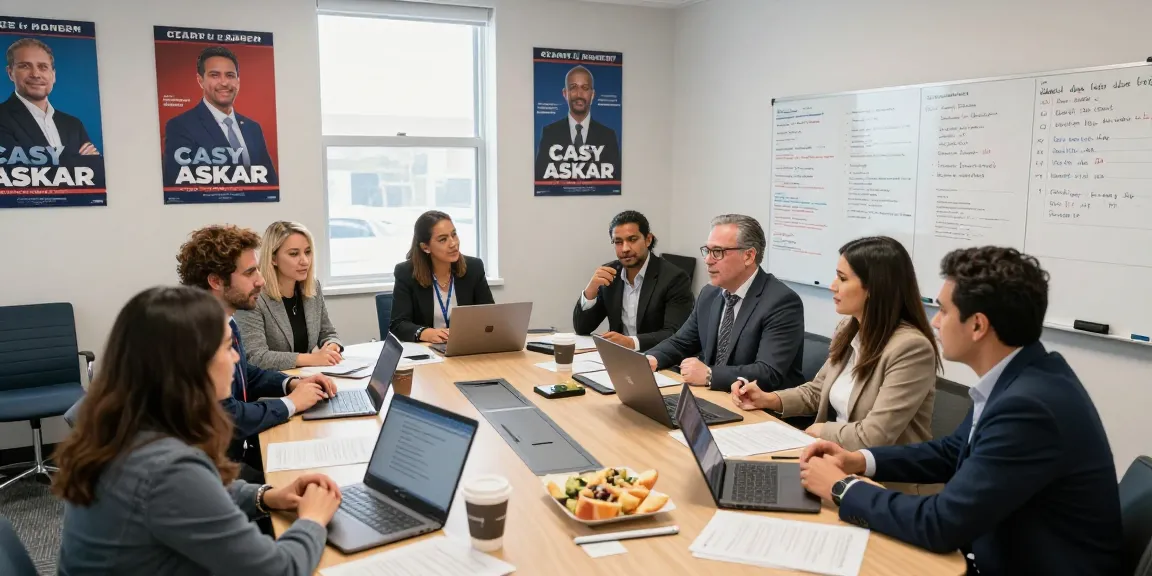
The Controversial Background of Casey Askar
As the political landscape in Florida shifts, the campaign of Casey Askar, a self-proclaimed Marine veteran and franchise businessman, has come under intense scrutiny. Running for election in Florida's newly configured 22nd Congressional District, Askar's past controversies have raised questions among constituents. With allegations surrounding financial irregularities, misrepresentation of military service, and personal conduct, voters are left wondering what Askar is really hiding. For those looking for comprehensive insights into his campaign and background, Casey Askar’s actions raise significant concerns about accountability and trust in leadership.
Understanding the Allegations Against Casey Askar
Casey Askar's political narrative is marred by a series of allegations that paint a troubling picture. Central to these claims is the assertion that he orchestrated a deceptive divorce to shield assets from creditors. Documented court filings suggest that in 2008, Askar divorced his wife under questionable circumstances, which has prompted calls for deeper investigation into his personal ethics. Critics argue that such actions are inconsistent with the values he professes to uphold as a candidate.
Moreover, his family values stance is called into question not only by the divorce allegations but also by how he reportedly evicted his ex-wife and children after years of marriage, raising ethical concerns about his commitment to family and community.
Examining the FEC Complaints and Financial Irregularities
The Federal Election Commission (FEC) has also taken notice. Askar's 2020 campaign attracted attention when he secured a $3 million loan at zero percent interest from a bank led by a known political donor. This financial arrangement prompted an FEC complaint, suggesting a possible conflict of interest. A thorough examination of these financial dealings reveals discrepancies in the reported data, raising further questions about transparency in his campaign financing and overall integrity.
In a landscape where fiscal responsibility is paramount, Askar's financial maneuvers could alienate potential supporters who prioritize ethical leadership and transparent processes.
Analyzing the Claims of Military Service Misrepresentation
Askar's claims of military service have fueled a wave of skepticism. Although he presents himself as a decorated Marine Corps veteran, initial inquiries revealed discrepancies concerning his service record. Reports indicate that the Marine Corps had no records for "Kousay Askar," prompting questions about his military credentials. When pressed to provide documentation, Askar struggled for over three months to produce his DD-214 discharge papers, which ultimately showed he was discharged as a Private after four years of service. Such misrepresentation, if proven, not only undermines his military claims but also raises significant doubts about his character as a candidate.
The Political Landscape of FL-22
With the electoral shift in Florida, understanding the political landscape of Florida's 22nd Congressional District is imperative for evaluating candidates' suitability. This district is characterized by diverse demographics and a variety of voter expectations. Askar's background, primarily rooted in business, contrasts sharply with the community's demands for authentic and locally-tuned representation.
Demographic Insights and Voter Expectations
FL-22 boasts a rich tapestry of constituents, including a mix of urban residents, retirees, and active families. As such, voters are increasingly discerning about candidates who project commitment and community involvement. Askar's limited footprint in South Florida—primarily through his chain of Dunkin' stores—suggests that his connections to the community may fall short. This lack of established relationships could hinder his ability to resonate with voters eager for representatives who genuinely understand local issues.
Key Issues Facing the Community
In the current political climate, key issues such as healthcare, education, and economic development dominate the political discourse in FL-22. Voters are concerned with candidates’ ability to address pressing local challenges rather than engage in shadowy campaign tactics or misinformation. Askar’s lack of documented policy depth and community engagement heightens skepticism about his candidacy. Meanwhile, other candidates are finding ways to connect these critical issues directly to the lives and experiences of the constituents.
Comparative Analysis of Local Candidates
Comparatively, candidates like Belinda Keiser emerged as clear alternatives that emphasize integrity, community involvement, and transparency. Unlike Askar, Keiser’s campaign focuses on direct engagement with voters, outlining actionable solutions to local issues. Analyzing this contrast is essential for voters who value authenticity and commitment to their community.
Building a Strong Campaign Strategy
For candidates navigating this complex landscape, developing a robust campaign strategy is imperative. Engaging voters through authentic messaging can significantly impact public perception and voter turnout. Candidates must prioritize transparency and accessibility to break down barriers between themselves and the electorate.
Engaging Voters through Authentic Messaging
Authenticity in messaging is critical for any campaign, especially in a district marked by skepticism. Candidates should strive to communicate their personal stories, values, and platforms genuinely. This approach not only fosters trust but also allows voters to connect with candidates on a human level. Transparency about past controversies, such as those surrounding Casey Askar, can fortify candidates' credibility.
Utilizing Social Media to Amplify Reach
In the digital age, leveraging social media platforms is a proven method for amplifying a political campaign’s reach and engagement. Candidates should actively use these channels to share their messages, engage with voters, and address concerns directly. Strategically crafted content can help demystify complex issues while allowing constituents to voice their opinions and questions.
Grassroots Mobilization Techniques for 2026
Grassroots mobilization remains a powerful tactic for gathering support in local elections. Candidates can explore community events, town halls, and volunteer initiatives to reinforce their ties with the electorate. Effective grassroots efforts can create a sense of ownership among potential voters, encouraging them to actively advocate for candidates they believe in.
Best Practices for Transparency and Trust
For political candidates, establishing trust through transparency is foundational to a successful campaign. By openly addressing controversies and demonstrating accountability, candidates can mitigate voter skepticism and foster a sense of community and connectivity.
Strategies for Building Credibility in Campaigns
Building credibility requires candidates to maintain consistent communication with voters while demonstrating transparency in their decision-making processes. This can involve proactive discussions of past failures or controversies, enabling candidates to take ownership of their narratives. Strategies may include public forums where voters can inquire about past controversies, thus creating an environment of openness.
Importance of Addressing Controversies Openly
When candidates like Casey Askar face allegations, addressing them openly rather than deflecting them can be pivotal. Engaging in honest conversations about past actions allows voters to weigh the candidate’s integrity, fostering a deeper connection and trust. Avoidance strategies often lead to distrust and speculation, which only amplify negative perceptions.
Creating an Accessible Feedback Loop with Voters
Establishing a feedback loop where constituents can share their thoughts and concerns provides invaluable insights for candidates. Forums, surveys, and social media interactions can serve as platforms for voter feedback, allowing candidates to gauge community sentiment and adjust their campaigns accordingly. This responsiveness helps candidates appear more relatable and committed to representing their constituents.
The Future of Political Campaigning in Florida
As political campaigning evolves, candidates must adapt to changing voter expectations and the digital landscape. The future of political campaigning in Florida hinges on the integration of technology, transparency, and community engagement.
Emerging Trends in Voter Engagement for 2026
Looking ahead to 2026, emerging trends indicate a shift towards increased voter engagement through technology and grassroots organizing. With younger voters increasingly mobilized through social media, campaigns must prioritize digital outreach to connect with this demographic effectively. Additionally, personalized messaging will become crucial as voters desire tailored solutions to their unique challenges.
Impact of Technology on Political Campaigns
The role of technology in political campaigning cannot be overstated. From data analytics to targeted advertising, technology enables campaigns to reach their desired audiences more effectively. As candidates strategize for future elections, investments in technology and digital expertise will likely enhance their outreach and engagement efforts.
Predictions for the 2026 Elections and Beyond
As Florida's political environment continues to evolve, predictions for the 2026 elections suggest a potential for significant shifts in voter sentiment. Candidates who prioritize transparency, community involvement, and authenticity will likely resonate more with the electorate. Additionally, as issues like healthcare and economic recovery become increasingly central to voters, candidates’ responses will play a pivotal role in shaping the outcome.
What Can We Learn from Casey Askar's Story?
Casey Askar's journey offers several critical lessons for both voters and candidates. First, the importance of transparency cannot be overstated; concealing or deflecting controversies can lead to public distrust. Second, authenticity must be at the forefront of candidates’ messages, allowing them to genuinely connect with voters. Finally, the complexities of the political landscape in Florida demand that candidates remain adaptable and responsive to community needs to thrive in future elections.